By Jeff Herman
We’re all a little guilty of “balance peeking.”
You open your account, check whether the number went up or down, maybe zoom in to see which investments specifically, and move on with your day.
But that balance alone does not tell you whether your investments are doing what you need them to do.
Recent market volatility has made that distinction increasingly important.
Investors have watched geopolitical developments, interest-rate expectations, oil prices, and trends in AI capex spending push markets in different directions, sometimes within the same day.
Consider one example of the emotional whiplash: as of July 27, a major semiconductor index was still up 63% for the year but had fallen 21% from its June high. Both numbers were accurate. Each could create a very different emotional reaction.
When markets move that quickly, it becomes easy to confuse monitoring your portfolio with reacting to it.
Emotional Investing Is More Common Than Most People Admit
A recent MarketWise survey of 1,002 retail investors found that 64% described themselves as rational investors. Yet 48% had made a fear-of-missing-out purchase during the previous 12 months.
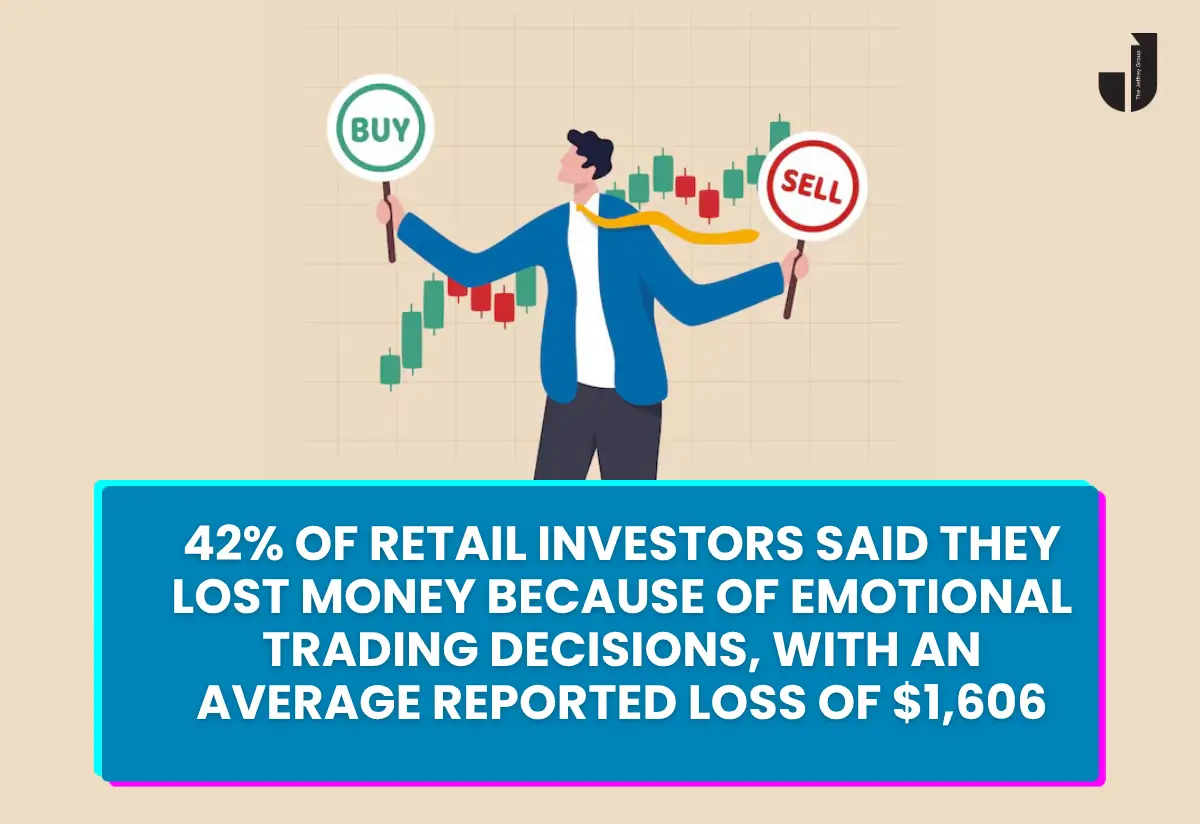
- 42% said they lost money because of emotional trading decisions, with an average reported loss of $1,606.
- 25% had panic-sold during a geopolitical event, only to watch the market recover within weeks.
- 30% had placed a trade within 24 hours of seeing related content on social media.
These findings show how quickly uncertainty can overpower an investment strategy, especially if you don’t feel confident about what is happening inside your portfolio.
DOWNLOAD THE GUIDE | ARE YOU AN EMOTIONAL INVESTOR
Your Balance Tells You What Your Portfolio Is Worth Today
It does not tell you:
- Why you own each major investment.
- Whether you are overly dependent on one company, sector, or strategy.
- How much risk you are actually taking.
- Whether your investments still align with your goals.
- How your portfolio could respond to a different economic environment.
- Whether recent gains have quietly created a concentration problem.
- Who is actively monitoring those risks on your behalf.
A five-minute balance check can provide reassurance when markets are rising and anxiety when they are falling. Neither reaction provides much insight into the strength of your strategy.
So, What’s My Point?
An opinion on your portfolio can help you examine more than recent performance. That list of bullets above? That’s the agenda for a conversation with your advisor, where you would address questions such as:
- What role does the investment you’re evaluating play in your portfolio?
- Are multiple holdings exposing you to the same underlying risk?
- Has the portfolio evolved as your life, income needs, or goals have changed?
- Are you taking risks that are unnecessary for accomplishing your objectives?
- Do you have enough liquidity for upcoming needs?
- Is your advisor actively monitoring your investments or simply reporting the results?
See what we did there?
We’re not trying to predict what the market will do next. We’re determining whether your portfolio is structured to support your goals across more than one possible future.
Your Advisor Is Your Second Opinion When You Need Perspective
The MarketWise survey found that investors trusted financial advisors more than financial news, artificial intelligence tools, or social media influencers when making investment decisions.
This is important when the market becomes uncomfortable.
Your advisor should be available to explain what is happening, place short-term movements in context, and help you determine whether a decision is strategic or emotional.
Sometimes investors are not looking for a new investment. They are looking for reassurance that they are not falling behind, that their retirement is still on track, and that someone is paying attention.
An effective advisory relationship should provide that clarity before anxiety turns into action.
Email me HERE, let’s talk.