
By Jeff Herman
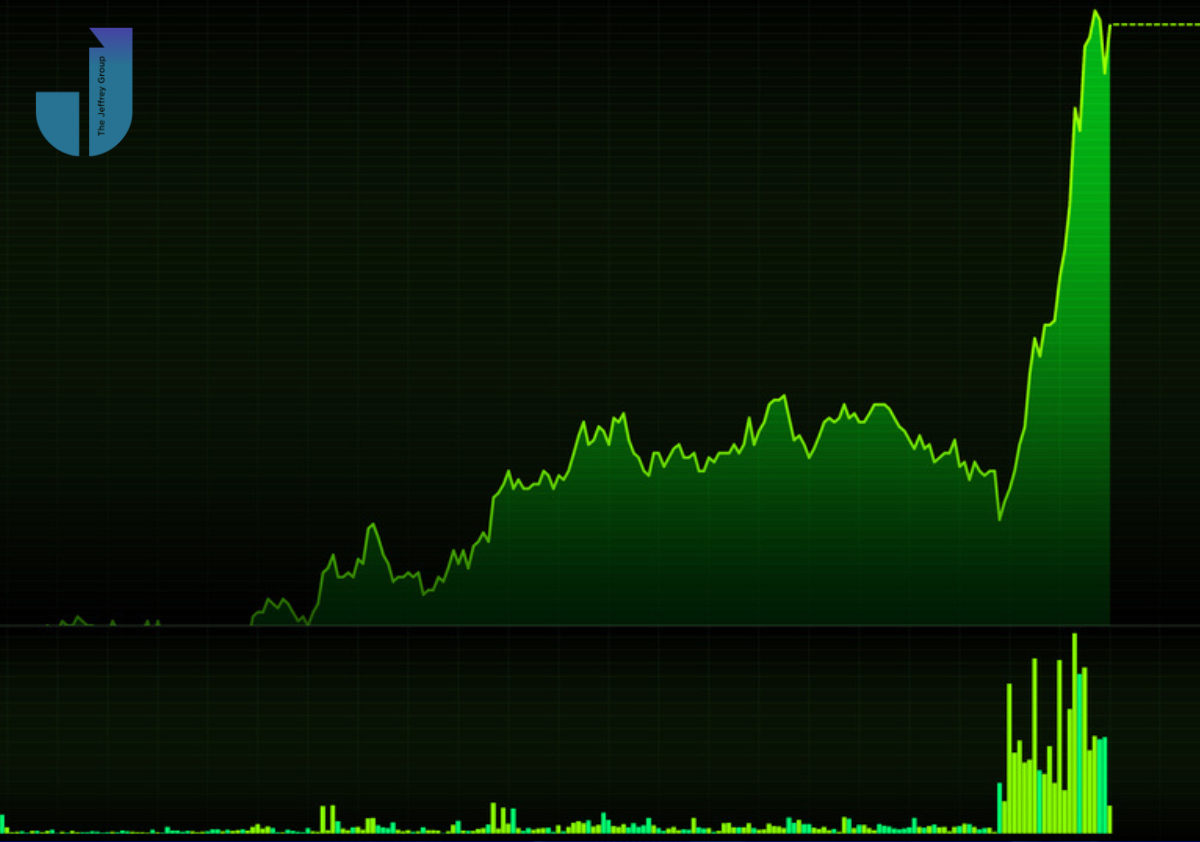
When certain stocks seem to rise every week, it is natural to wonder if you are missing out.
Maybe you are watching AI stocks surge, and your friends are talking about major gains.
Maybe financial headlines make it sound like everyone else is getting ahead, while your portfolio feels too cautious.
These moments can naturally create anxiety for investors, especially for people trying to grow retirement savings, recover from past market losses, or feel more confident about their financial future.
The truth is, chasing high-performing stocks can feel productive in the moment. Still, it often creates long-term problems that investors do not fully recognize until markets become volatile again.
At The Jeffrey Group, we work with investors who want growth, but also want clarity, stability, and confidence that their financial strategy still makes sense when markets become unpredictable.
Why Investors Chase Hot Stocks
Most people do not chase high-performing stocks because they are reckless. They do it because they are human.
When markets rise quickly, emotions naturally begin influencing decision-making:
- Fear of missing out grows
- Recent gains start feeling permanent
- Media coverage increases excitement
- Friends and coworkers share success stories
- Sitting still begins to feel uncomfortable
A recent Kiplinger article highlighted how investors often make impulsive decisions during strong markets because of recency bias and herd mentality.
Recency Bias Can Distort Investment Decisions
Recency bias occurs when investors assume recent market performance will persist into the future. A stock that has risen sharply over the last six weeks can begin to feel “safe” simply because it has performed well recently.
According to Charles Schwab, recency bias causes investors to place “too much emphasis on experiences freshest in memory,” often leading them to follow hot investment trends and abandon long-term plans.
This creates a dangerous mindset. Investors stop evaluating long-term fundamentals and begin relying on short-term momentum as proof of stability. In reality, some of the market’s largest pullbacks happen immediately after periods of extreme optimism and concentrated buying activity.
At The Jeffrey Group, we believe recent returns should never be the primary reason to invest in an individual stock, because a portfolio should be built around long-term objectives, income needs, diversification, and risk management, not on the excitement surrounding recent gains.
Herd Mentality Creates Hidden Portfolio Risk
When investors constantly hear about the same stocks from financial media, social media, coworkers, and friends, it creates pressure to participate. This is herd mentality, and it is especially powerful during strong bull markets.
I saw this in the 80s, the 90s, and the early 2000s. And I’m seeing it again today.
A 2025 study highlighted by Investopedia found that the average retail investor spends just six minutes researching a stock before purchasing it, often relying on momentum, headlines, and social influence (hello, WallStreetBets) rather than deeper portfolio analysis.
The problem is that widespread enthusiasm often pushes investors into crowded trades after much of the growth has already occurred. Instead of building diversified portfolios, investors unknowingly become concentrated in the same sectors, themes, or market trends as everyone else.
Owning multiple high-performing technology stocks may feel diversified, but if those investments respond to the same market conditions, the portfolio may still carry significant concentration risk. For example, what happens if those investments all respond similarly to the same economic conditions?
BLOG | IS YOUR RETIREMENT INCOME DIVERSIFIED?
True diversification is not about owning more investments. It is about owning investments that behave differently across changing market environments.
In simple terms, investors begin assuming recent winners will continue winning indefinitely because everyone around them seems to believe the same thing.
This emotional pressure can quietly push people away from long-term financial planning and toward reactive investing.
Why Chasing Performance Often Backfires
One of the biggest problems with performance chasing is timing.
By the time most investors feel confident buying into a fast-rising stock, much of the growth may have already happened. Investors are often responding to past performance rather than future opportunity.
That creates a dangerous cycle:
- Stocks rise rapidly
- Investor excitement increases
- More buyers enter the market
- Expectations become unrealistic
- Volatility returns
- Emotional selling follows
Aggressive stock chasing can create fragile market conditions, especially when investors pile into the same trades after major gains.
This is one reason many investors end up buying near highs and selling during fear-driven pullbacks.
Emotional Investing Can Create Long-Term Stress
Many investors searching for “best-performing stocks” are not just looking for returns. They are often looking for reassurance.
They want to feel confident they are making smart decisions. They want to know they are not falling behind. They want to feel secure about retirement, inflation, and the future.
This does not mean investors should avoid growth stocks or innovative companies altogether. It’s natural to pay attention to periods of market excitement.
The goal is not avoiding opportunity. The goal is to avoid emotionally driven decisions that create unnecessary risk and keep a focus on the bigger picture.
Want to talk about a potential stock? Book time with me HERE.